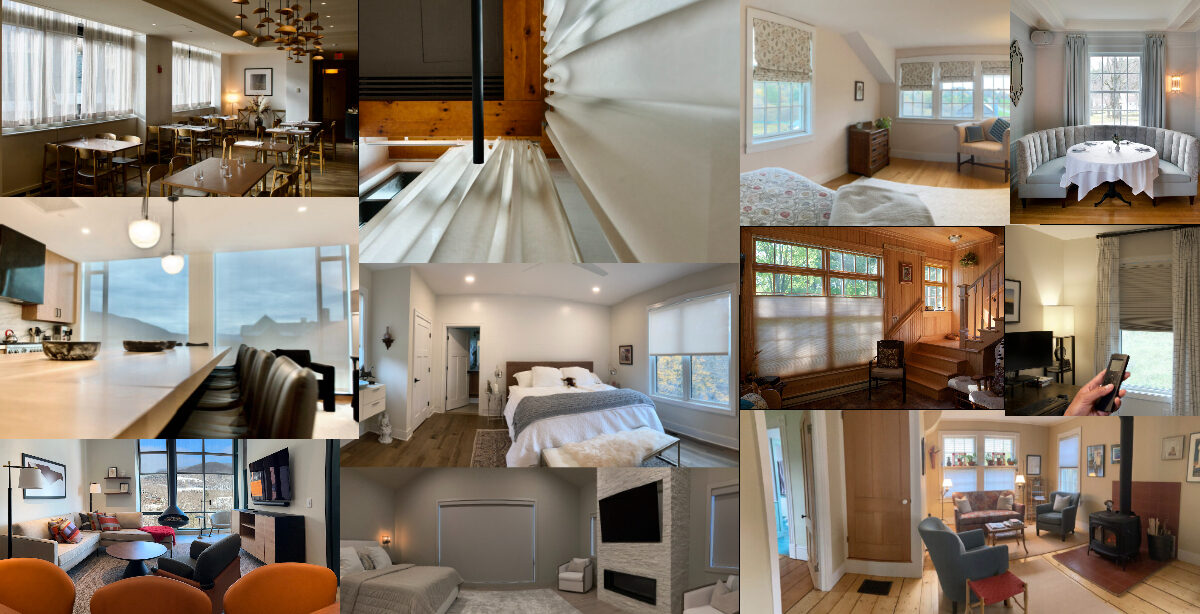
If you’ve ever struggled with what direction to go when covering your windows, this is a GREAT place to start!
We completely understand how this can be overwhelming. Let’s break it down into small, easy to digest bits of knowledge.
Let’s Learn a Little Terminology! Here’s a quick guide to the most common products you’ll encounter.
Valances, Blinds, Shades, Shutters, Roman, Roller, Cellular, Drapery, to start!
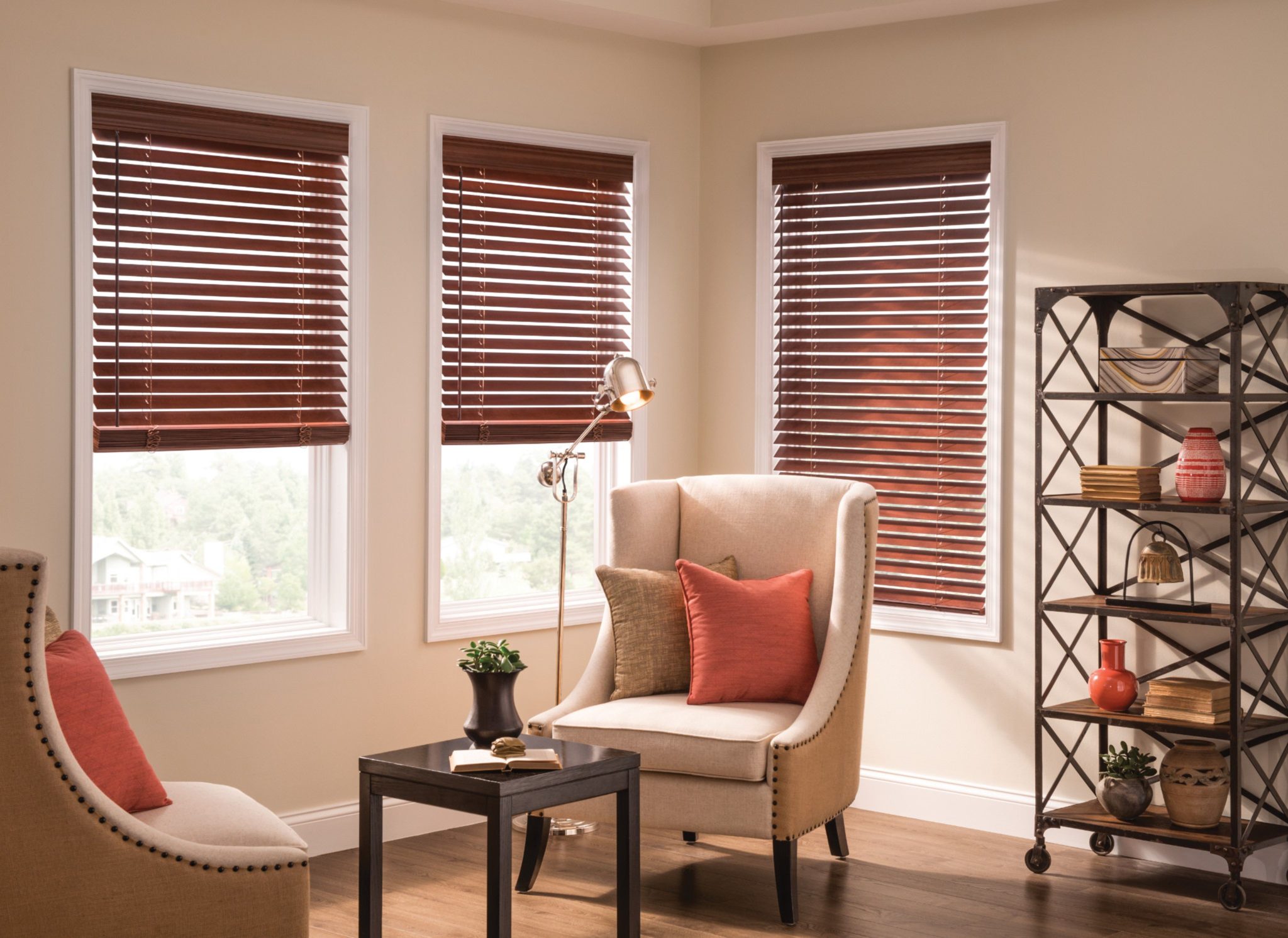
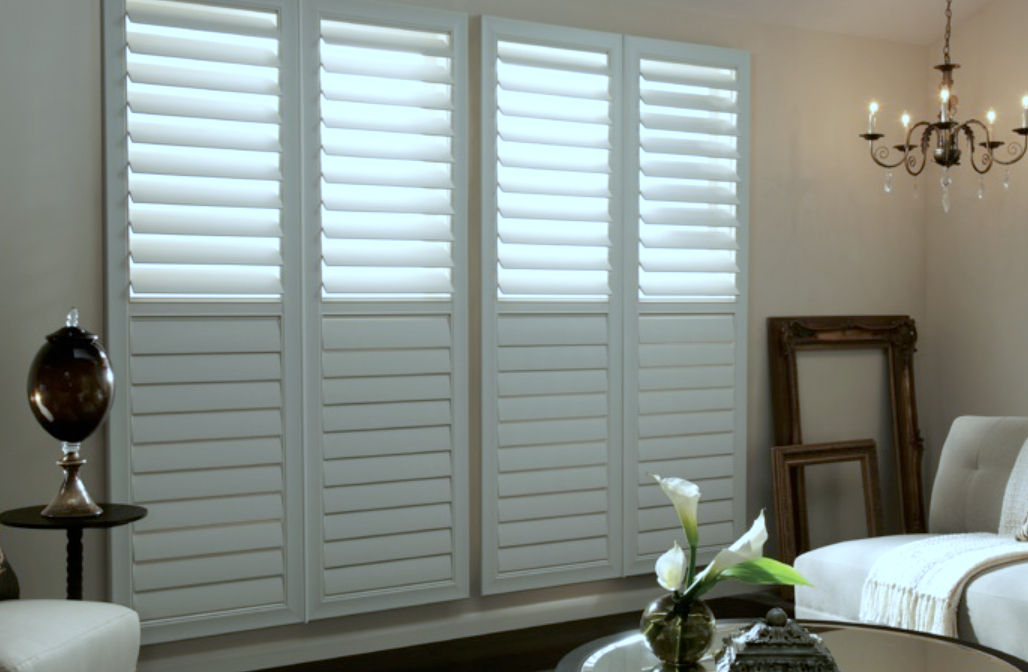
Blinds: Blinds are constructed from hard materials and feature slats that tilt open or closed to control light and privacy. The slats can be crafted from a variety of materials including metal, wood, or faux wood.

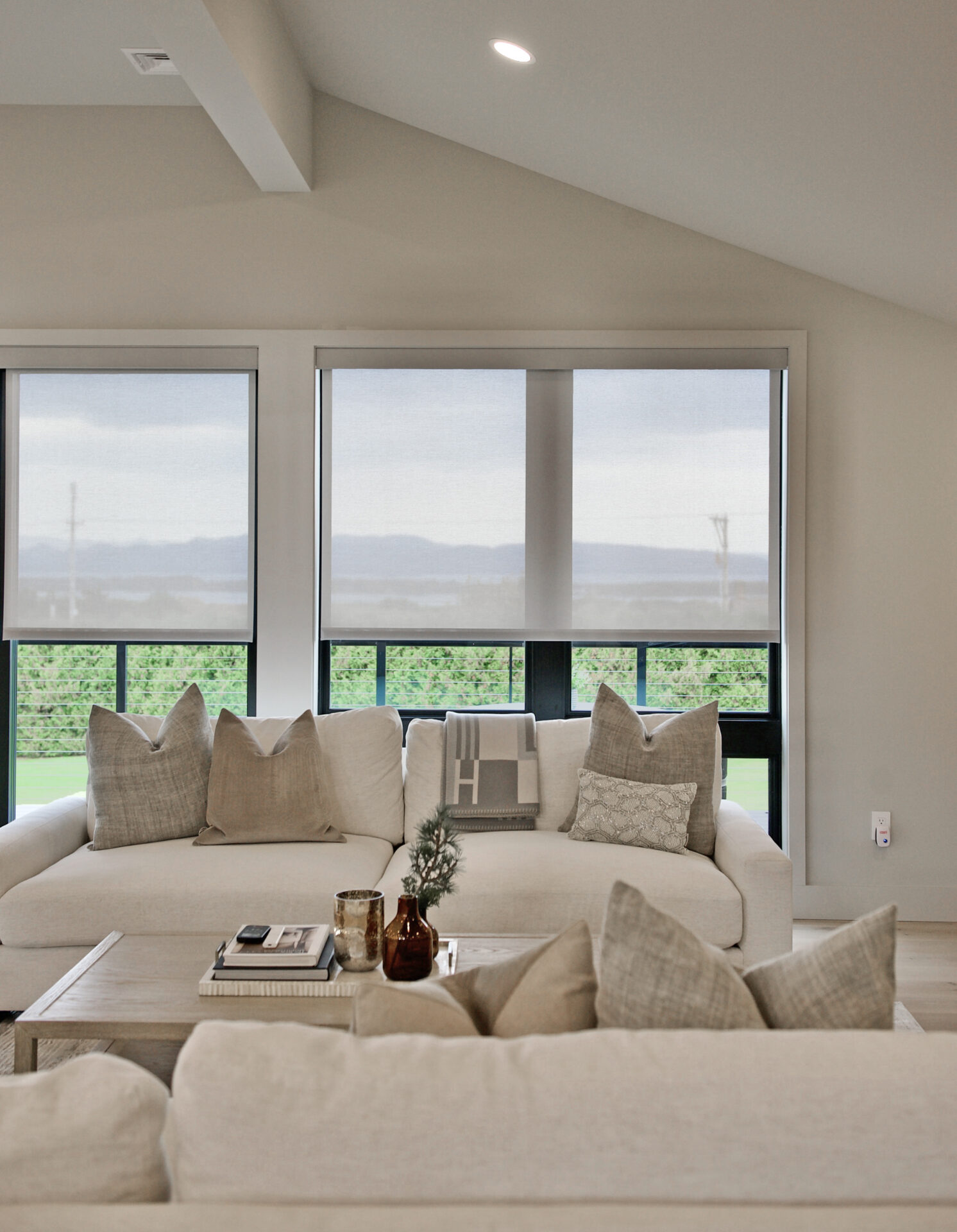
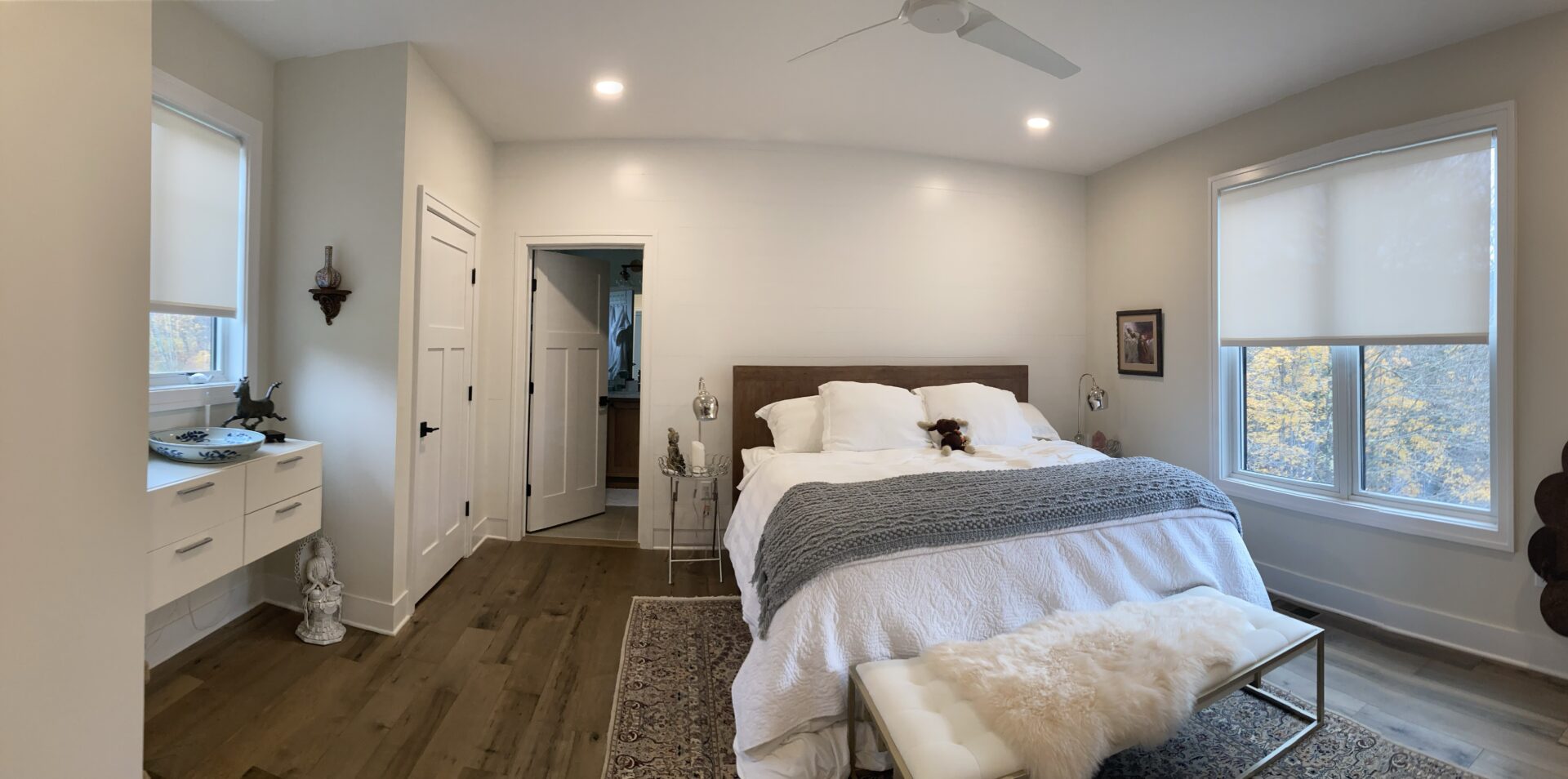
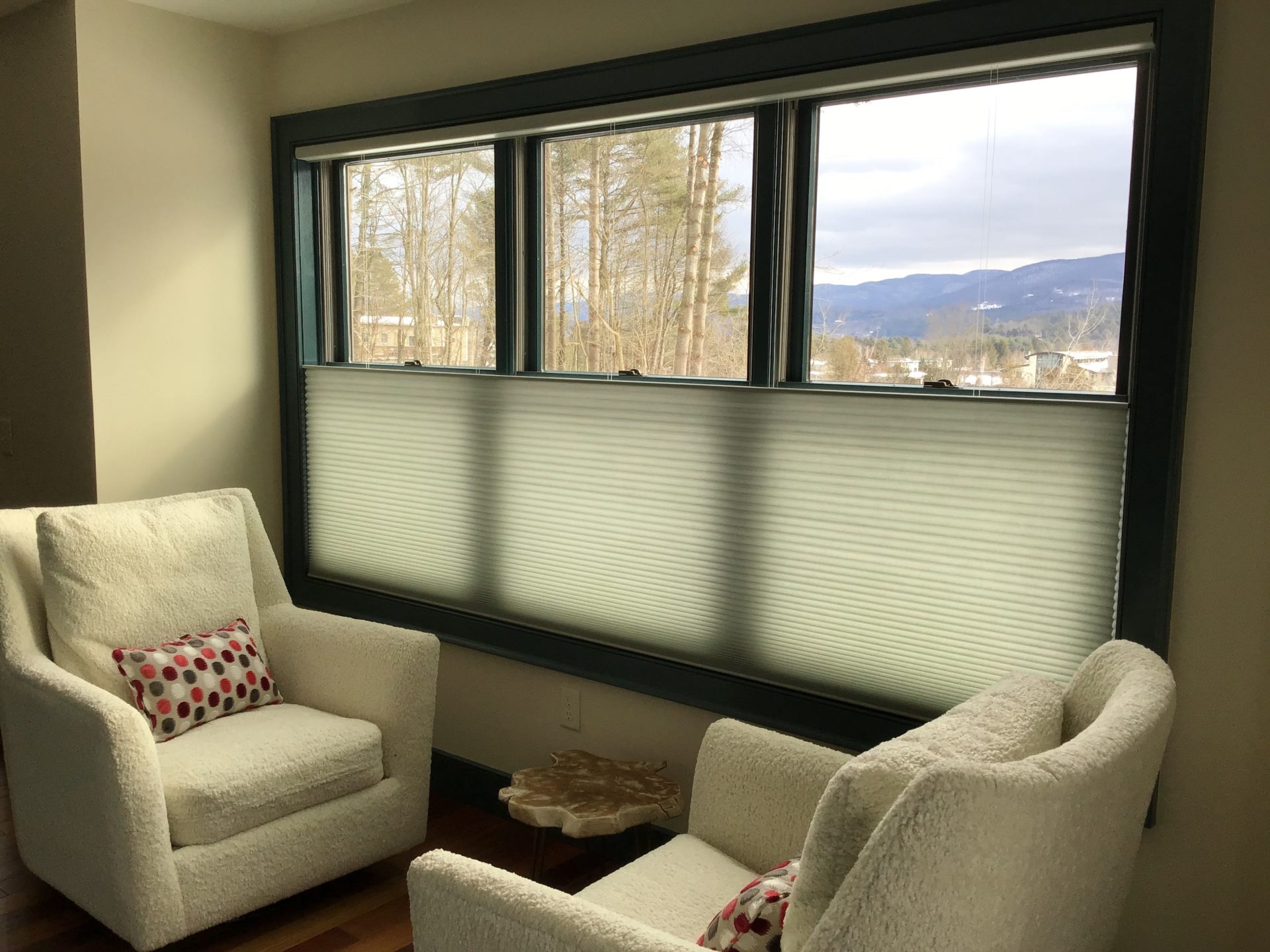
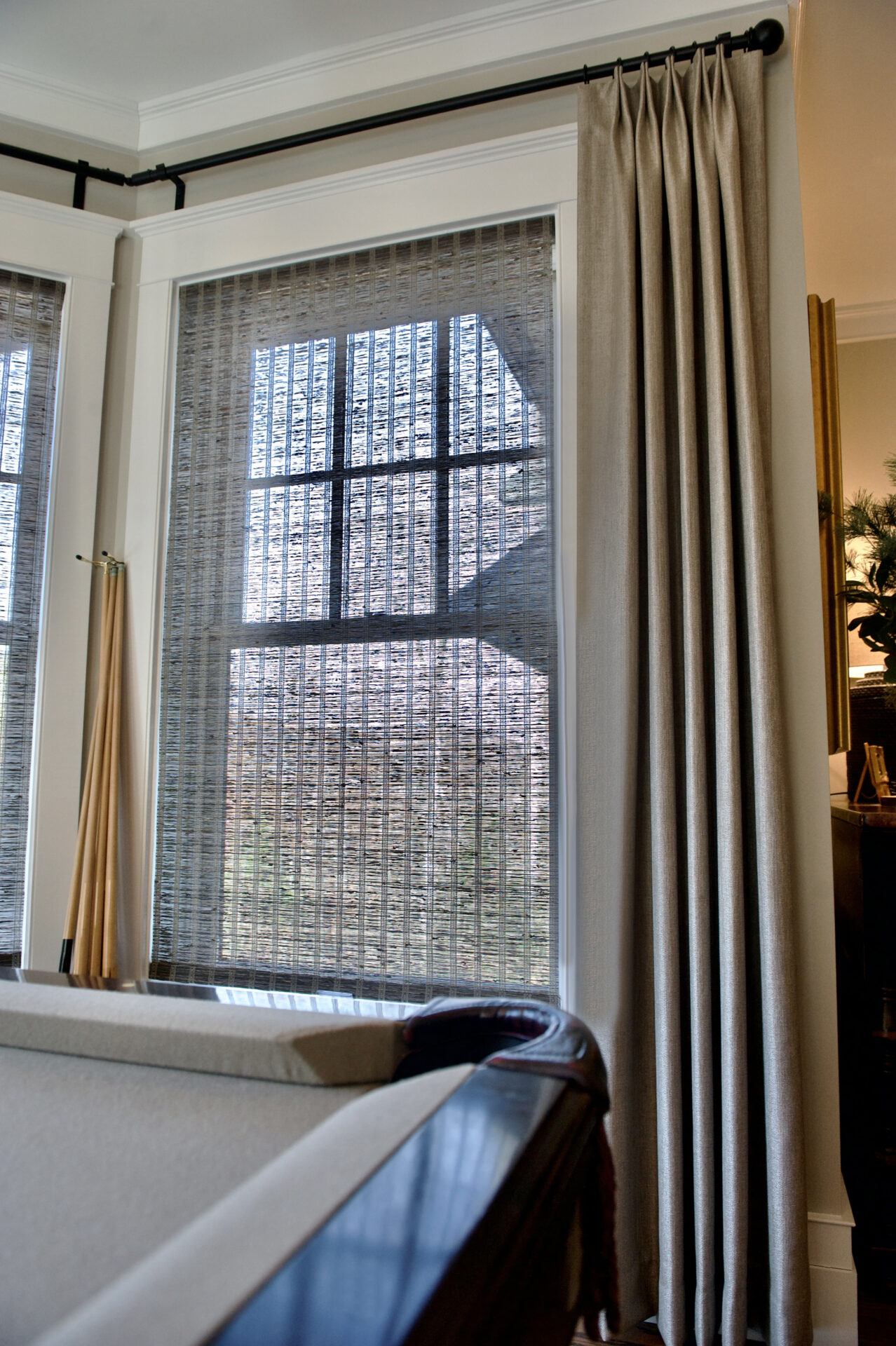
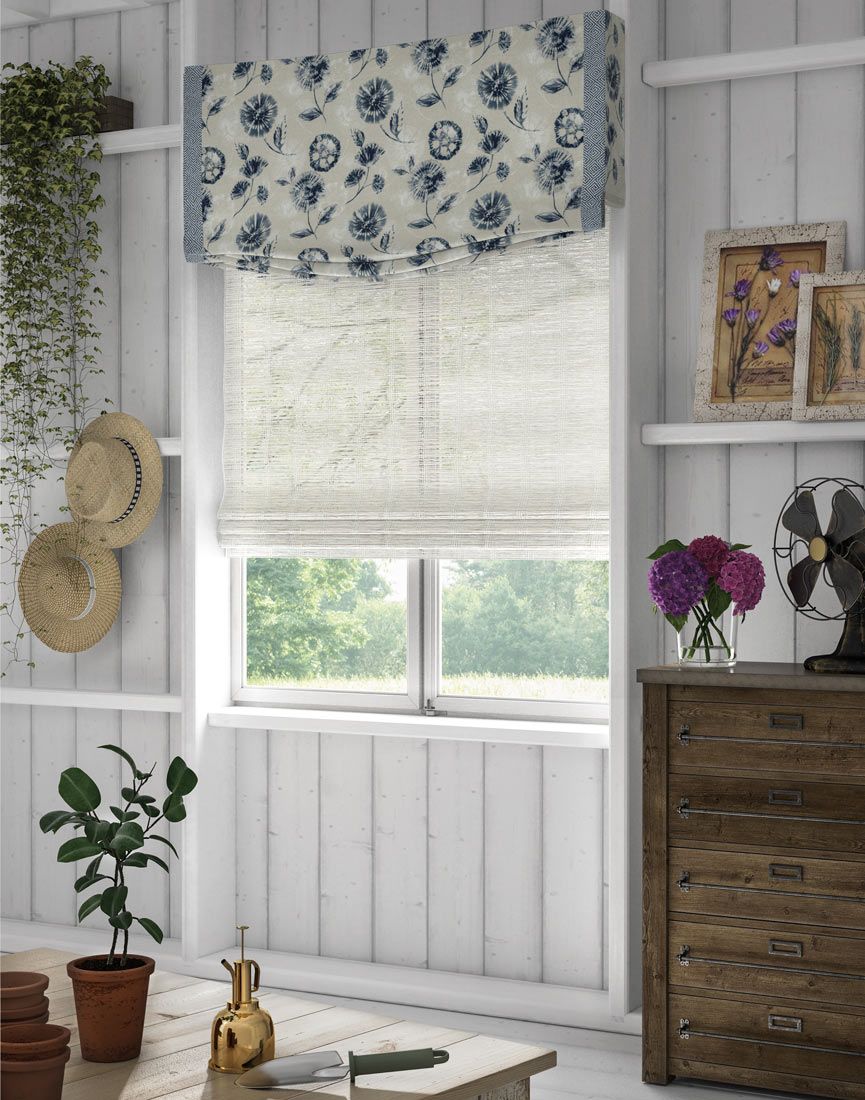
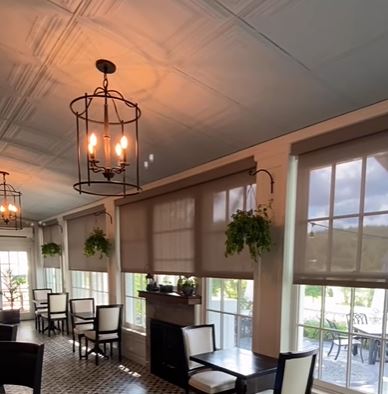
Shades: Unlike blinds, shades are made from softer materials and consist of one continuous piece rather than individual slats. You control light and privacy by simply raising or lowering the shade. Shades are most commonly made from fabric, natural fibers, or woven materials like fiberglass making them a great option for a softer, more relaxed look. Shades are a great choice when energy efficiency and view preservation are priorities.
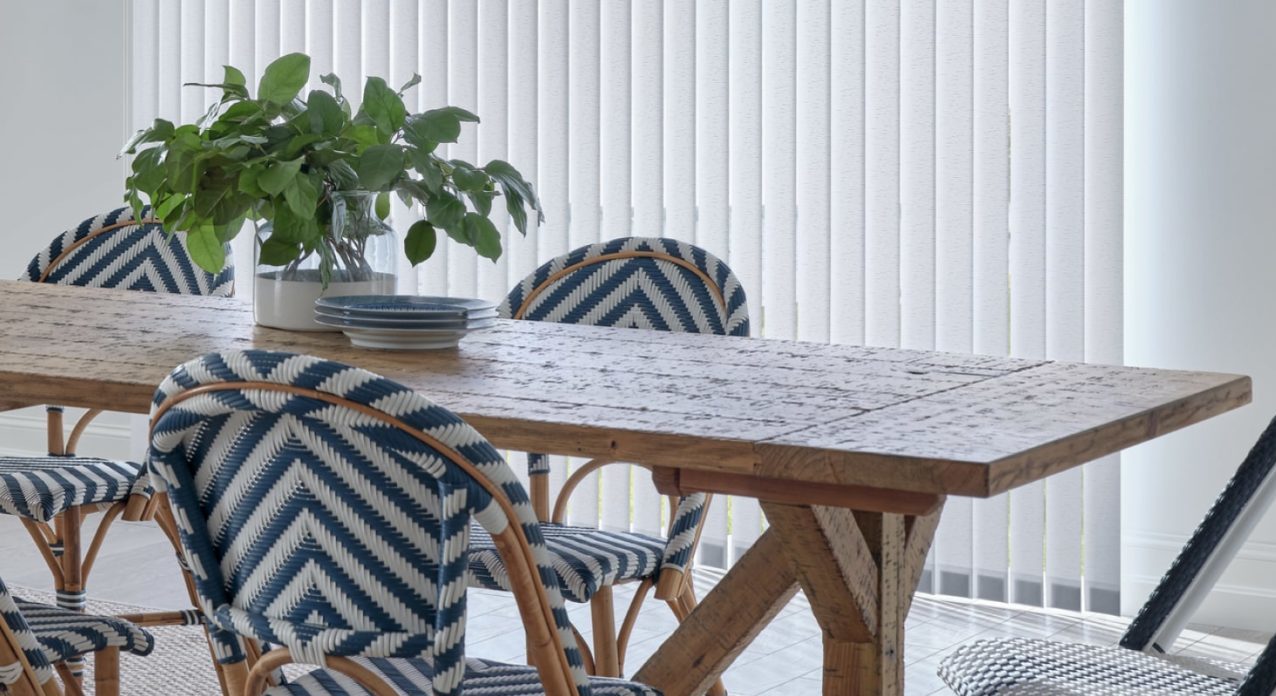
 Verticals: Verticals are exactly what they sound like, a blind or shade that operates from left to right rather than up and down. This makes them an ideal solution for sliding glass doors or large picture windows where a traditional treatment just wouldn’t work as well.
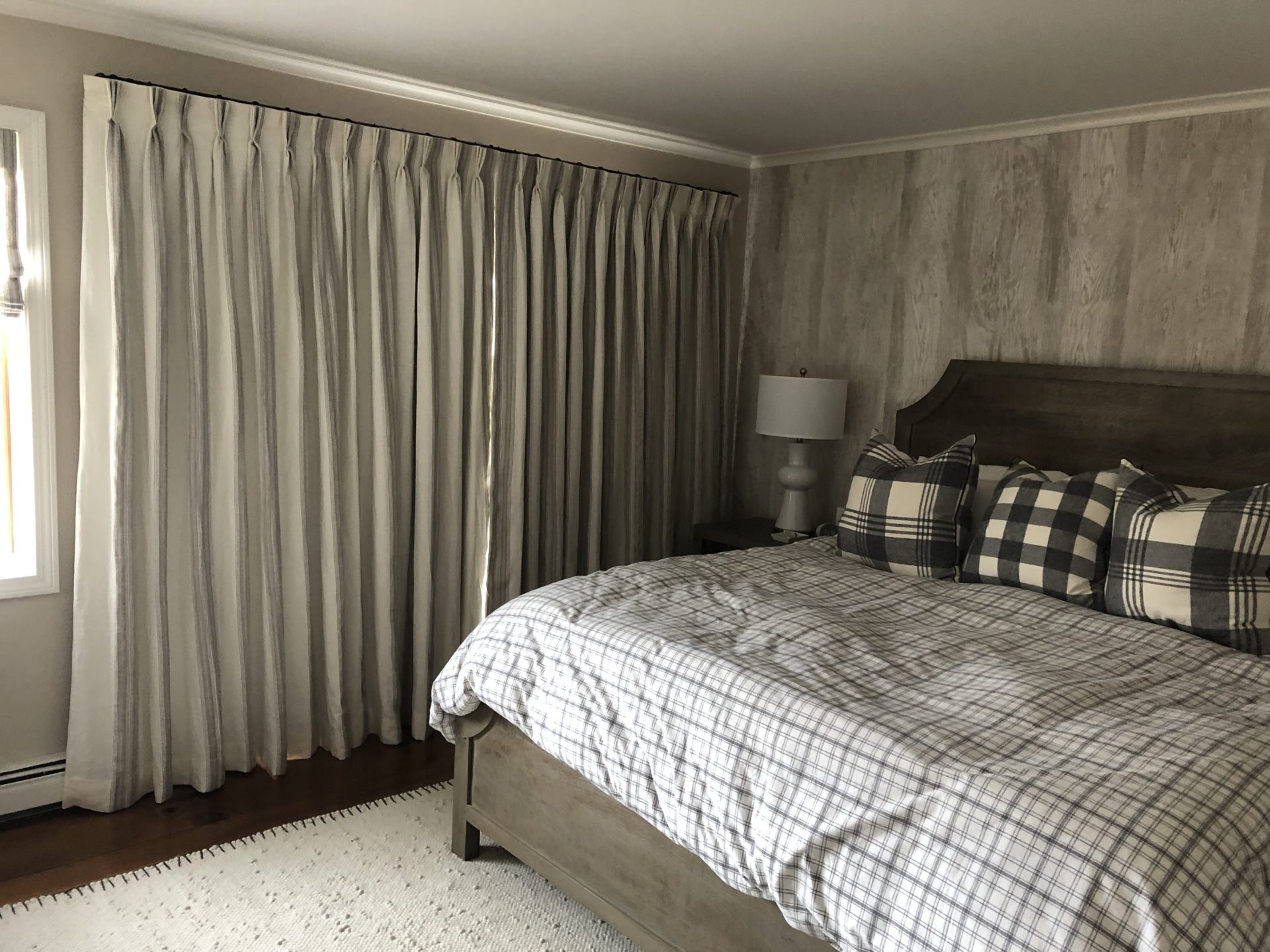
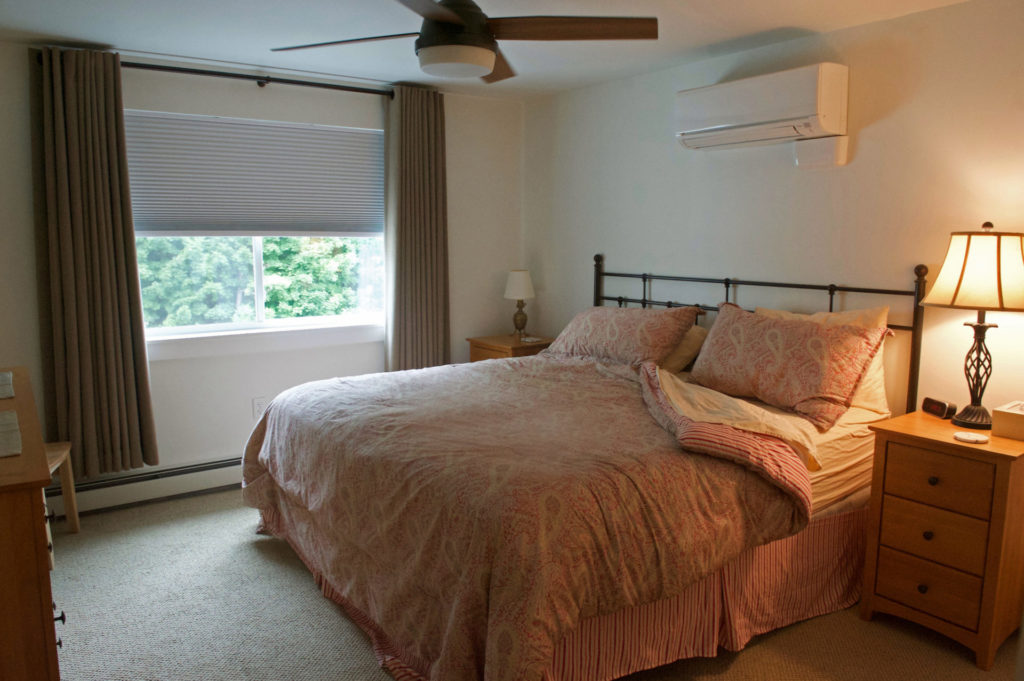
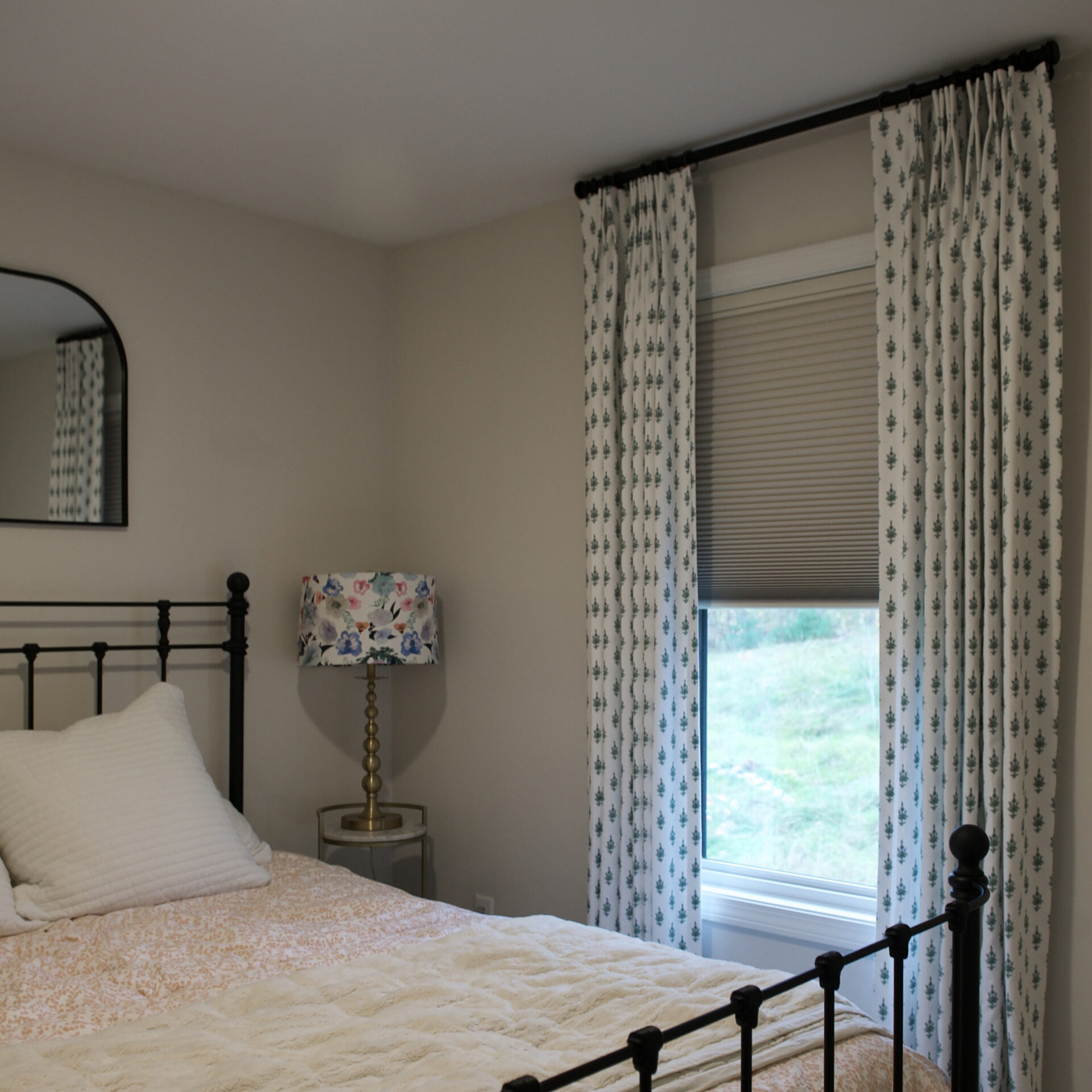
Drapery: Draperies are fabric panels that draw across the window for light control and privacy, but they’re so much more than functional, they’re a design statement! With an incredible range of fabrics, colors, and patterns to choose from, drapery can truly transform a room. Drapery is typically lined, giving it a more polished, formal appearance.

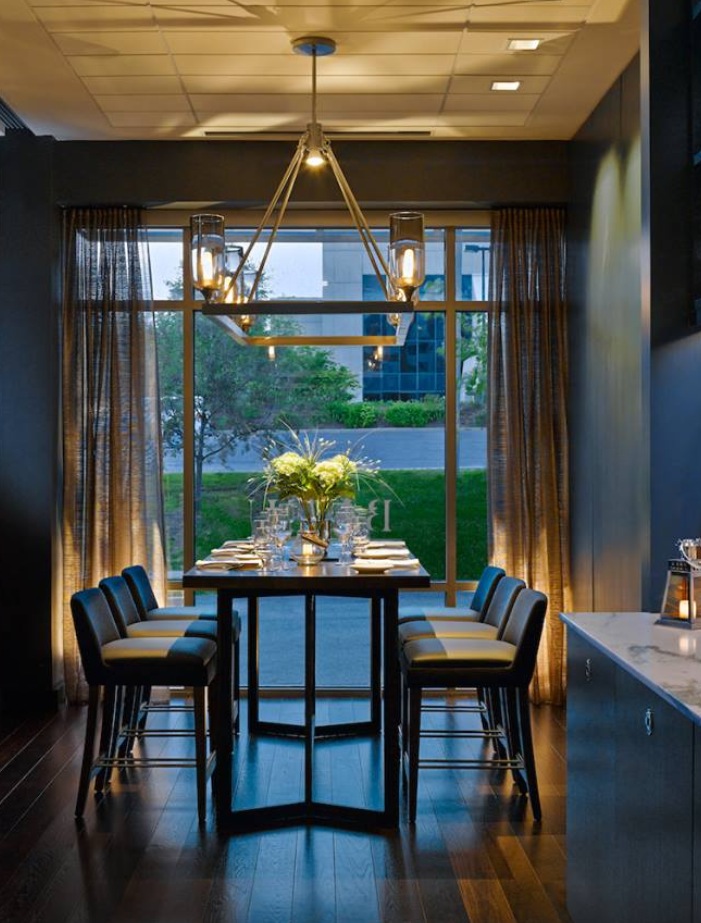
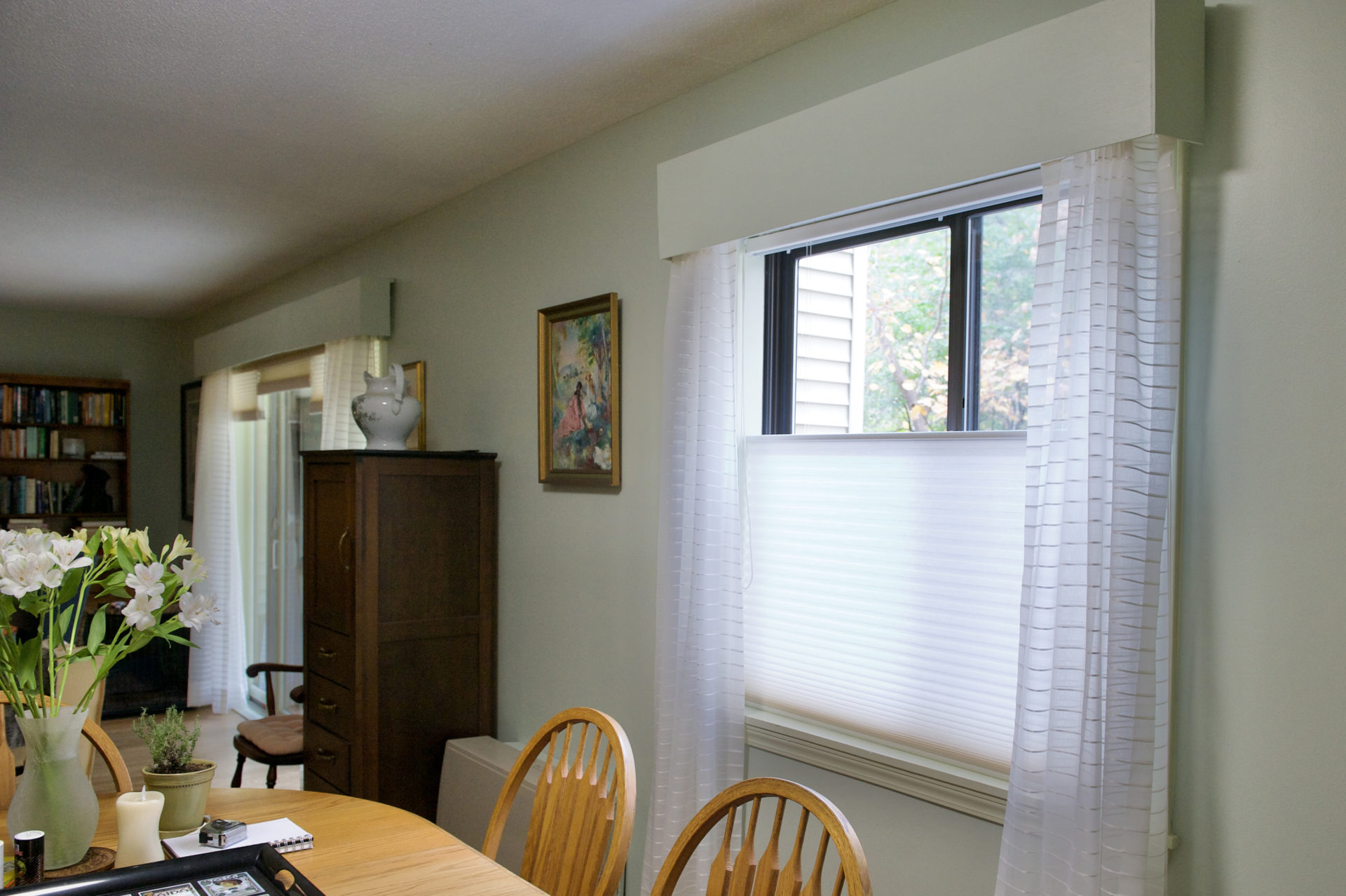
Curtains: Curtains are also made from fabric, but tend to be lighter and are often unlined. They bring a relaxed, casual charm to any space and are a wonderful choice for rooms where you want softness without the formality of drapery.







 Exit Request
